
The Leather Sampling Process for Private Label Orders
Before you invest in a full production run, the leather sampling process is what turns your idea into a physical product you can hold, assess, and approve. For private label brands, sampling is the single most important step for getting quality right — it’s your chance to check the leather, construction, and branding before a single bulk unit is made. This guide walks you through exactly how the leather sampling process works for private label orders, what each stage involves, and how to use it to protect your order from costly surprises.
What Is the Leather Sampling Process
The leather sampling process is the series of steps a manufacturer follows to create a physical prototype of your product before bulk production begins. Instead of committing to thousands of units based on a photo or a promise, you get an actual sample — made to your specifications — that you can evaluate and refine.
Sampling exists to remove uncertainty. It confirms the leather grade, color, hardware, stitching, dimensions, and branding all come together the way you intended. For private label orders especially, where you’re putting your name on the product, that confirmation is essential.
Why the Leather Sampling Process Matters for Private Label Orders
When you private label a product, its quality becomes your brand’s reputation. The leather sampling process is your quality gate — the moment you can catch problems while they’re still cheap to fix.
Skipping or rushing sampling is one of the most expensive mistakes a private label brand can make. A rejected bulk shipment costs far more than a few sample rounds. Proper sampling also gives you a golden sample — an approved reference the manufacturer must match in production — which becomes your objective standard if any dispute arises later.
In short: sampling protects your money, your timeline, and your customers’ trust.
The Leather Sampling Process Step by Step
While details vary by manufacturer and product, most private label leather sampling follows six clear stages.
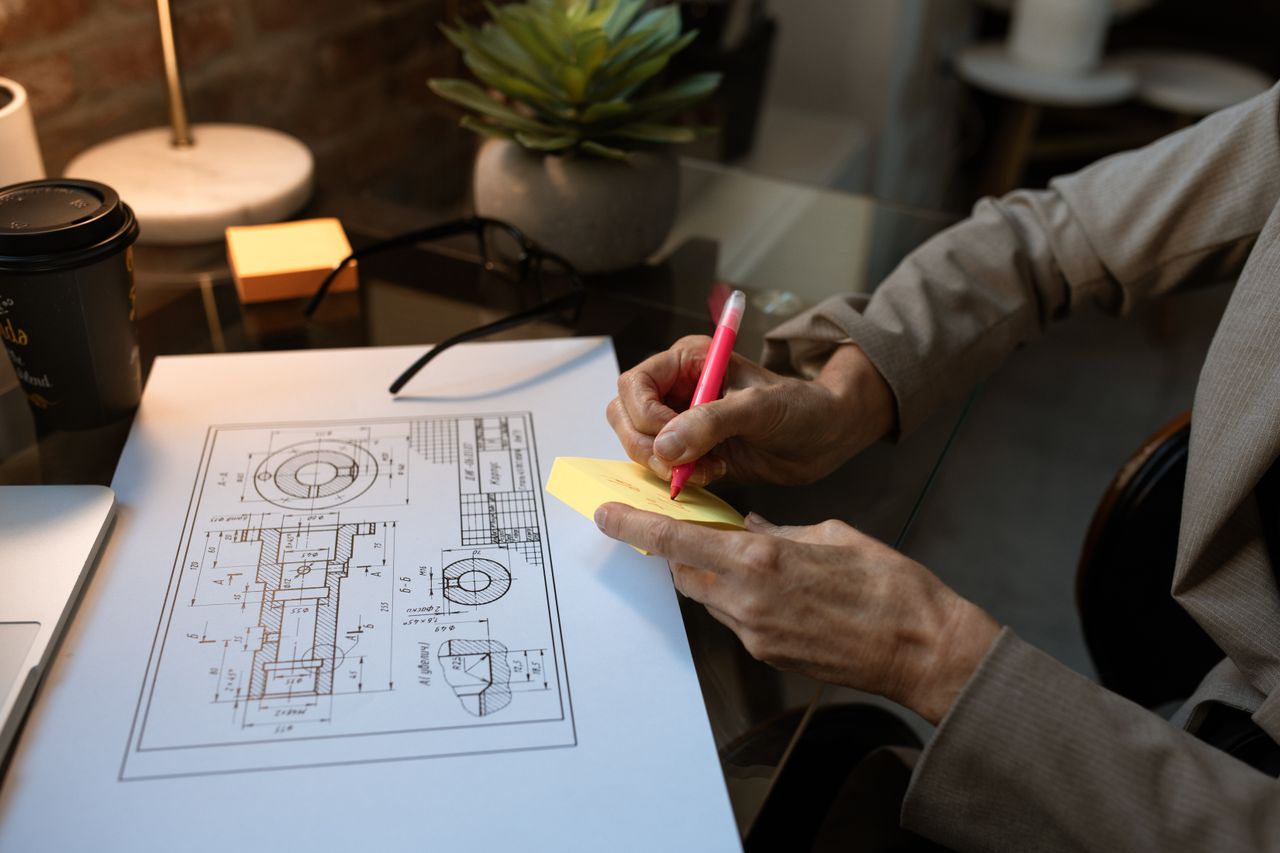
Share Your Design & Tech Pack
You provide your design — sketches, a tech pack, measurements, and any reference samples. The clearer your specification.
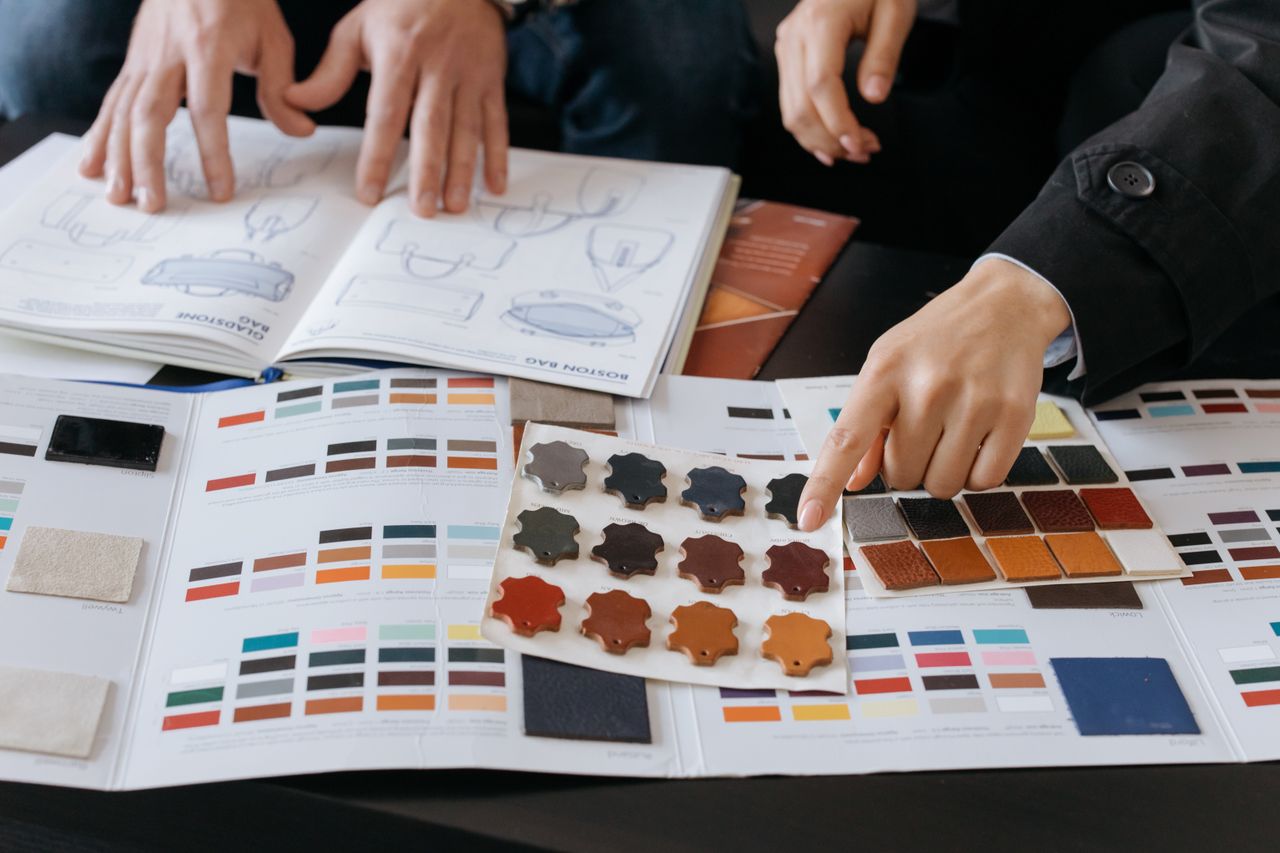
Leather & Material Selection
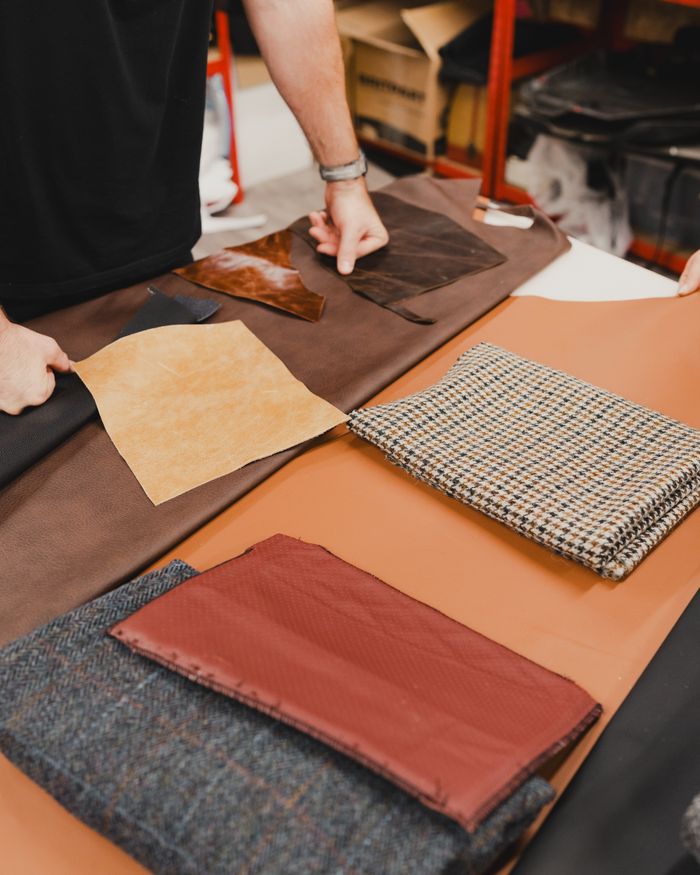
You confirm the leather grade (full-grain, top-grain, etc.), color, finish, lining, thread, and hardware. Manufacturers typically send material swatches
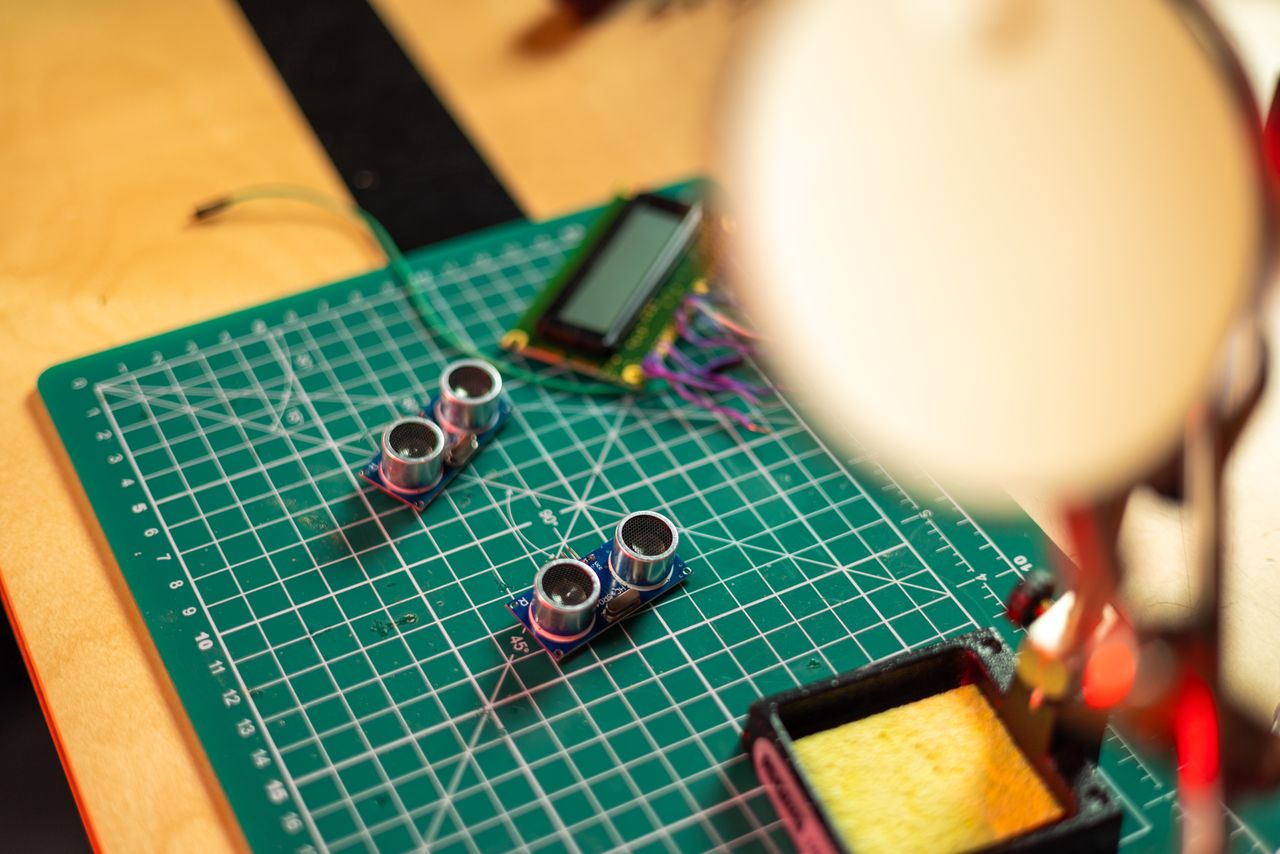
First Prototype Sample
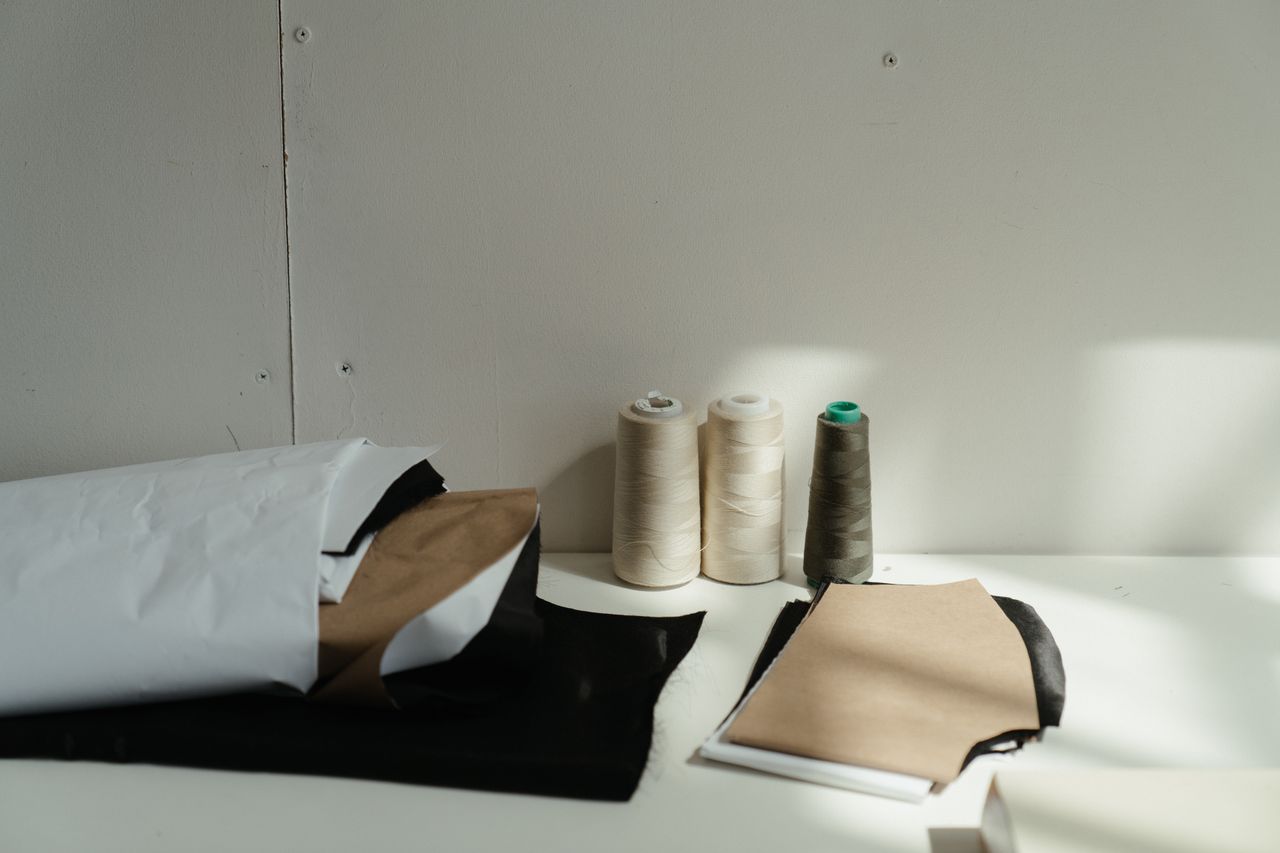
The manufacturer produces the first physical prototype based on your design and material choices. This sample shows how the product actually looks.
Review, Feedback & Revisions
You assess the prototype against your expectations: fit, finish, stitching, branding placement, and overall quality.
Pre-Production Sample
Once revisions are agreed, a pre-production sample is made to represent the final product as it will be manufacture.

Golden Sample Approval
You approve a golden sample: the signed-off reference that your entire bulk order must match.
How Long Does the Leather Sampling Process Take
Sampling timelines depend on product complexity, material availability, and the number of revision rounds. A straightforward private label item using existing designs samples faster than a fully custom product built from a new tech pack. Confirm the expected sampling lead time with your manufacturer upfront, and build it into your launch timeline.
Leather Sampling Costs: What to Expect
Most manufacturers charge a sampling fee that covers materials and the labor of producing a one-off piece — which is naturally higher per unit than bulk. Many suppliers deduct or credit part of the sampling cost against your bulk order once you proceed. Treat sampling as an investment in getting the product right, not just an expense.
Start Your Private Label Leather Sampling with Corino
Ready to see your product before you commit to bulk? Corino Industries makes the leather sampling process simple for private label brands, retailers, and distributors worldwide. Share your design or c you can review, refin approve — so your bulk order matches exactly what you expect.
Here's how to get started:
Request a sample quote
sampling cost, timeline, and MOQ for bulk
Book a free consultation
talk to a private label specialist about your product.
Send your design or tech pack
or pick a ready-to-brand style to sample.
Frequently Asked Questions
The manufacturer creates a physical prototype of your product from your design and chosen materials, you review and request revisions, then a pre-production sample is made and approved as a "golden sample." Bulk production only begins once you approve that final reference sample.
A golden sample is the final, approved reference sample that your entire bulk order must match. Both you and the manufacturer keep a copy, and it becomes the objective quality standard used to check the finished production run.
Sampling usually carries a fee covering materials and one-off labor, which is higher per unit than bulk production. Many manufacturers credit part of the sampling cost against your bulk order once you proceed. Confirm the exact cost and any credit policy with your supplier.
It depends on product complexity, material availability, and revision rounds. Simple private label items using existing designs sample faster than fully custom products. Always confirm the sampling lead time upfront and build it into your launch schedule.
Yes — that's exactly what sampling is for. One or two revision rounds after the first prototype are normal. You review the sample, send feedback on fit, finish, or branding, and the manufacturer refines it before the pre-production sample stage.